
The Impact of Colors on Emotional Well-Being During Room Painting
Colors have a profound effect on our mood and emotions. When planning room painting projects, understanding color psychology can help create desired atmospheres. Choosing the right paint colors for different spaces is essential, as they influence how we feel and interact with our environment daily.

Understanding the Basics of Color Psychology
Color psychology explores how different hues affect human feelings and behaviors. For instance, warm colors like red and orange often evoke excitement or energy. In contrast, cool colors such as blue and green tend to provide calmness and relaxation. By leveraging these principles, you can design spaces that promote specific emotional responses.
The Role of Interior Painting in Setting Moods
Interior painting plays a crucial role in defining the ambiance of any space. The choice of color directly impacts how rooms are perceived and used. For example, bright hues work well in playrooms or kitchens where energy and creativity are welcome. On the other hand, softer tones fit perfectly into bedrooms or living rooms for their soothing effects.
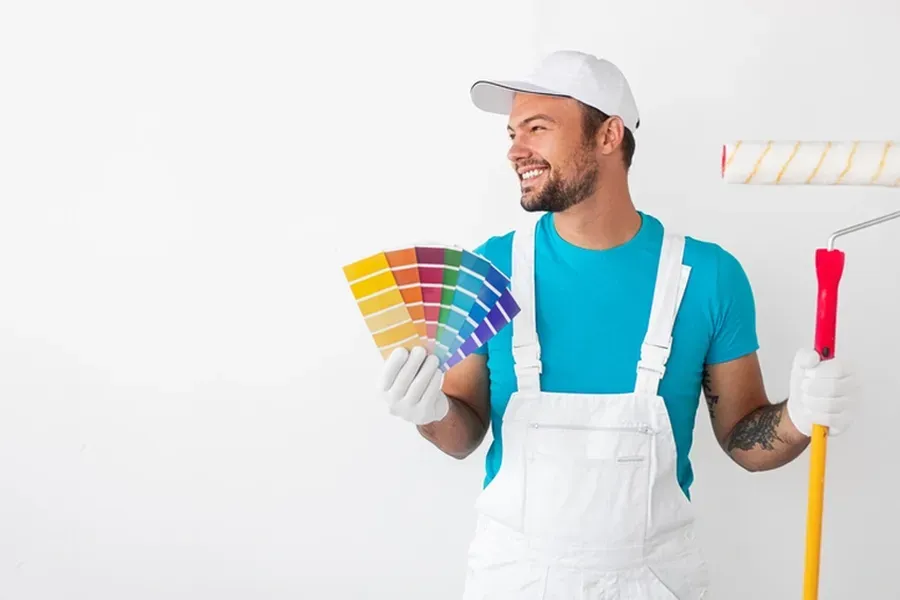
Selecting the Right Paint Colors for Different Spaces
When considering color choices, think about what each room’s purpose is. Bedrooms benefit from calming palettes like soft blues or pastels. These shades encourage restfulness and serenity. Alternatively, dining areas might use rich colors such as burgundy to enhance appetite and conversation.
Advantages of Thoughtful Color Selection
Choosing colors thoughtfully ensures that each space meets its intended function while enhancing overall mood. The correct hue can make a small room appear larger or bring warmth to an expansive area. Additionally, colors can influence productivity; hence why many offices incorporate stimulating yet non-distracting tones.
Common Mistakes in Color Choices
Avoid choosing colors based solely on trends without considering personal preference or intended use. Bright or overwhelming patterns may cause discomfort over time if not balanced properly. It’s important to select hues that resonate personally while maintaining harmony within the home.
Steps to Successfully Incorporate Color Psychology
- Identify the primary function of each room.
- Research how different colors affect moods.
- Select complementary shades that align with your goals.
- Test colors using samples before committing fully.
- Adjust lighting conditions to enhance chosen hues.
Expert Tips for Effective Interior Design With Color
- Use color accents sparingly to avoid overwhelming the senses.
- Consider natural light when selecting paint colors.
- Balance bold accent walls with neutral surroundings.
- Incorporate artwork or textiles for added depth and interest.
The Practical Benefits of Understanding Color Psychology
By applying color psychology principles, homeowners can create environments that foster positive emotions and functionality. This knowledge allows for personalized spaces reflecting individual style while meeting day-to-day needs effectively.
Final Thoughts on Enhancing Mood Through Interior Painting
Leveraging color psychology in home design offers numerous benefits for emotional well-being and aesthetic appeal. Whether you’re looking to refresh your home’s appearance or optimize its functionality, understanding how color affects mood empowers you to make informed decisions regarding paint choices. At Pasion Painting Inc, our team specializes in creating spaces tailored precisely to client preferences and requirements. Based in Rodeo, CA, we offer expert consultation services along with high-quality products to ensure lasting satisfaction. Reach out today at (510) 392-2350 for more information on transforming your environment through thoughtful color selection.