
Understanding the Painting Process Inside and Outside
Painting a space can completely transform its look and feel, whether it’s inside or out. However, there are significant differences between painting interiors and exteriors. Understanding these variations can help you make informed decisions for your next painting project. From choosing the right paint to applying it effectively, knowing what separates interior from exterior work will ensure you achieve lasting results that meet your expectations.
The Purpose of Different Paints
Interior and exterior paints serve different purposes due to their unique environments. For instance, interior paints are designed for beauty and durability within controlled conditions. They need to withstand cleaning without losing color or texture. In contrast, exterior paints must endure harsh weather elements like rain, sun, and temperature changes. Therefore, they contain ingredients that resist fading, cracking, and mold.
Material Differences in Paints
When selecting paint, it’s essential to know the materials involved. Interior paints often have a smoother finish with fewer volatile organic compounds (VOCs) to limit indoor air pollution. On the other hand, when dealing with exterior painting, the focus shifts to durability against external factors. These paints include additives for UV protection and water resistance to prevent damage over time.
Surface Preparations Needed
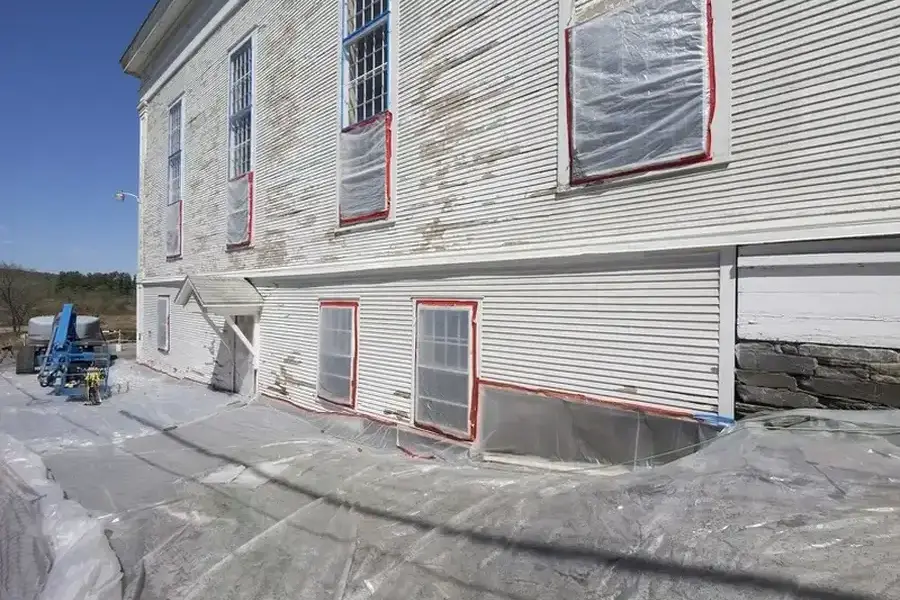
The preparation process varies greatly between interiors and exteriors. For interior spaces, preparing surfaces might involve patching up holes and sanding uneven areas to create a smooth canvas. However, for exterior painting, you need to clean away dirt and mildew first. Additionally, scraping off loose paint is crucial to ensure new paint adheres properly.
Tools Used in Painting Projects
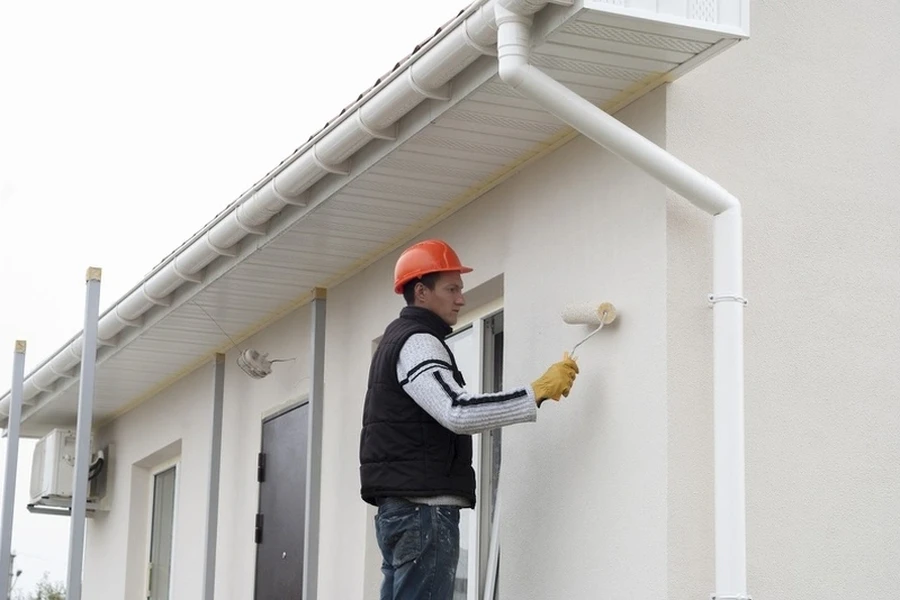
Different tools are optimal for interior versus exterior projects. Interior painting commonly uses rollers and brushes for precise application in smaller spaces. Conversely, exterior painting often requires sprayers for faster coverage of large surfaces and rough textures. Choosing the right tool helps achieve professional results efficiently.
Seasonal Considerations
The timing of your painting project matters significantly, especially outdoors. Indoor projects provide flexibility since they aren’t weather-dependent. For outside work, however, dry and mild weather conditions are ideal. Rain or extreme temperatures can interfere with drying times and overall paint performance.
Common Challenges Encountered
Both types of painting projects present challenges but differ based on location. Indoors, homeowners may struggle with ventilation during painting due to fumes. Externally, predicting weather changes can complicate timelines. Being aware of these issues allows you to plan accordingly and address potential obstacles proactively.
- Ensure good ventilation for interior projects
- Check weather forecasts before planning outdoor tasks
- Use appropriate protective gear for each environment
Safety Measures You Need to Know
Safety is paramount regardless of where you’re painting. Indoors, it’s vital to use masks and keep windows open when using products high in VOCs. Outdoors, wearing protective eyewear shields your eyes from wind-driven debris while working at heights may necessitate harnesses or ladders.
Your Next Steps With Professional Painters
Ready to start your painting journey? Whether you aim to refresh your home’s interior or rejuvenate its exterior facade, partnering with professionals can ease the process. At Pasion Painting Inc, we’re equipped with expertise tailored to both scenarios, ensuring quality outcomes every time. Reach us at (510) 392-2350 to discuss transforming your property in Rodeo, CA today.